
How to Choose a Scuba Diving Vacation: Is It a Dive Destination—or Just a Destination That Offers Diving?
Brent Clevenger Aug 24, 2026
How to Choose a Scuba Diving Vacation: Is It a Dive Destination—or Just a Destination That Offers Diving?
When you’re planning a scuba vacation, there is one distinction that I think every diver should understand:
There are destinations people travel to specifically because the diving is great—and there are great vacation destinations that also happen to offer scuba diving.
Those aren’t necessarily the same thing.
Before we dive in — a quick note: Sink or Swim Scuba runs guided group dive trips to world-class destinations, so you don't have to figure all of this out on your own. You travel with a group, a dive pro handles the logistics, and you dive with buddies you already know. See our upcoming dive trips →
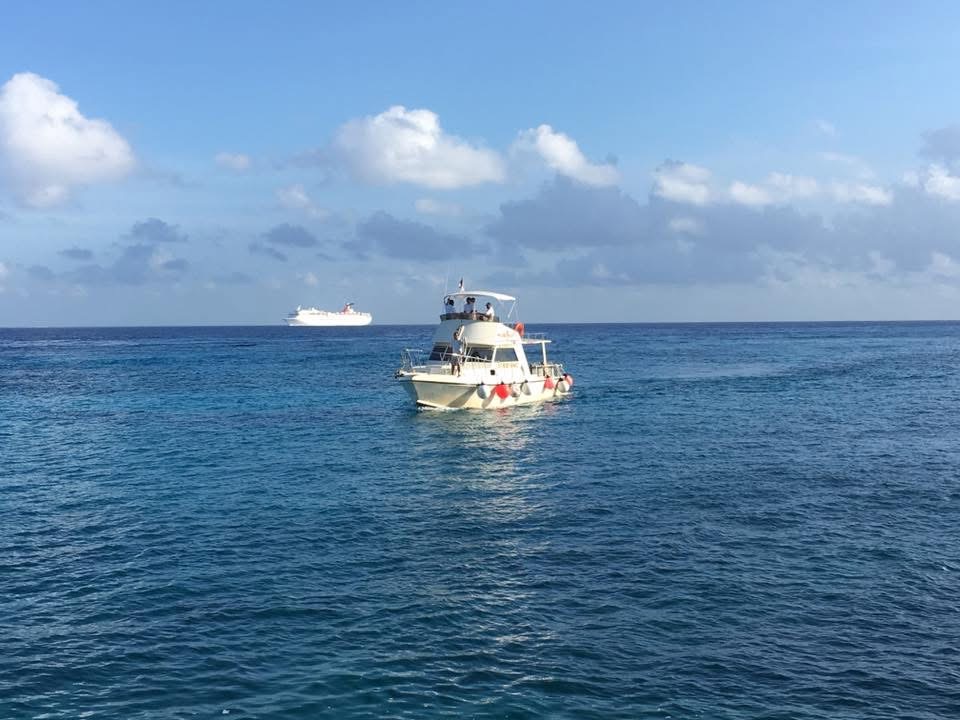
You can find beautiful resorts throughout the Caribbean, Mexico, Florida, and other tropical destinations where scuba diving is one of many activities available. Some resorts even advertise “free” introductory scuba experiences, Discover Scuba programs, or scuba certification packages.
There is nothing inherently wrong with that.
But if you’re already a certified diver—or you’re getting certified because you want to travel and experience great diving—you should understand what you’re actually booking.
Sometimes you’re taking a vacation and getting a few dives in.
Other times you’re taking a vacation specifically to go diving.
That difference matters.
Does the Destination Have Diving—or Is Diving the Destination?
Here’s an easy way to think about it.
Ask a group of experienced divers:
“If you could plan your next trip anywhere primarily for the diving, where would you go?”
Certain destinations are going to come up repeatedly.
Places such as Cozumel and Bonaire attract divers specifically because of the diving.
People don’t simply happen to find themselves in Bonaire and decide they might as well squeeze in a dive Tuesday afternoon. Divers travel there with their equipment because they intend to spend a significant portion of their vacation underwater.
That’s very different from choosing an all-inclusive resort because your family loves the property and discovering that the resort also has a dive boat.
Both can make great vacations.
But they aren’t the same kind of vacation.
If you’re looking for a destination where diving is the focus, take a look at the destinations and group adventures on our Scuba Trips & Adventures page.
When I Was a New Diver, I Would Dive Anywhere That Had Water
I wasn’t always particularly selective about where I went diving.
When I was a new diver, if there was water and an opportunity to get underwater, I wanted to dive it.
I dove Lake Wylie, Lake Norman, Mountain Island Lake, Lake Glenville, Bear Lake near Sylva, North Carolina, and most of the other surrounding lakes and quarries I could find.
Back then, I wasn’t sitting around comparing destinations or worrying about whether somewhere had “world-class diving.”
I just wanted to dive.
And I actually think that’s a great stage to go through as a diver.
Every one of those dives gives you experience.
You learn to deal with limited visibility, changing water conditions, different entries and exits, navigation, buoyancy, equipment issues, temperature changes, and all the little things that eventually make you a more capable and comfortable diver.
Lake Wylie is a good example. I’ve done recreational dives, training dives, and plenty of local diving there over the years. I’ve also experienced just how challenging the visibility can become. I’ve written more about that in What Is Visibility Like in Lake Wylie for Scuba Divers?.
Some of the dives I’ve enjoyed most over the years haven’t been in tropical water at all.
But the more you dive, the more you begin recognizing how dramatically one diving environment can differ from another.
Then you travel somewhere like Cozumel or Bonaire and suddenly understand why experienced divers intentionally travel thousands of miles to dive certain places.
You don’t stop enjoying diving just because it isn’t world-class. You simply become better at recognizing the difference between somewhere you can dive and somewhere you would plan an entire vacation because of the diving.
Some of My Favorite Places to Dive
After nearly three decades of diving, I’ve had the opportunity to dive in quite a few places. Like most experienced divers, I’ve developed favorites.
Cozumel is one of them.
The visibility, reefs, marine life, and drift diving keep me coming back. It’s somewhere I would intentionally travel because I want to dive there.
Our Cozumel dive trips are a good example of a vacation designed around diving rather than a vacation where diving is simply an optional excursion.
Bonaire is another.
Bonaire is almost the definition of a destination for divers. One of the things I enjoy most is the freedom. Load your equipment and tanks into a truck, choose a shore-diving site, and go diving.
We’ve stayed at Buddy Dive Resort, and it’s a good example of a resort built around what divers actually want. You’re surrounded by diving—boats, tanks, a house reef, and even a drive-through air and Nitrox fill station. You can load the truck, grab tanks, choose a site, and spend the day diving at your own pace.
You can also see what that type of trip looks like on our Bonaire scuba trip page.
And great diving doesn’t always require an international flight.
I also really enjoy wreck diving with Scuba Express / Express Watersports out of Murrells Inlet, South Carolina. That’s another example of going somewhere specifically for the diving. You’re heading offshore because you want to experience the wrecks—not because you happened to be vacationing nearby and discovered there was a dive boat.
North Carolina itself offers some pretty incredible destination diving once you’re ready for it. Our offshore Megalodon shark tooth diving is a good example. Divers don’t go offshore to the Meg Ledges because they happened to be nearby. They go because they want the experience of diving deep Atlantic sites and searching for prehistoric Megalodon teeth.
And Some Destinations Are Just…OK for Diving
I’ve also dived Barbados, Belize, Jamaica, Grand Cayman, Key West, the Florida Keys, the Bahamas, and plenty of other locations.
My experiences haven’t been equal everywhere.
I thought Barbados had some pretty good diving.
Belize was OK.
Grand Cayman was OK.
Jamaica wasn’t particularly impressive to me as a diving destination.
I’ve enjoyed diving in Key West and the Florida Keys, but I wouldn’t personally put them at the top of my list compared with some of my favorite destinations.
Those are my personal experiences, of course. Another diver may have visited a different site, encountered different conditions, or simply prefer a different style of diving.
And that’s part of the point.
You can absolutely have a fantastic dive somewhere that wouldn’t make my personal list of favorite dive destinations.
It simply means that “they offer scuba diving” isn’t enough information to tell you whether you should spend your next dive vacation there.
I’ll Always Remember My First Tropical Dive Trip
The Bahamas is an interesting example for me.
I wouldn’t rank it among my favorite overall dive destinations. There can be some good shark diving, although I’ve also experienced water there that was murkier than what I’ve encountered at some other Caribbean destinations.
But I’ll probably always remember the Bahamas.
It was the first tropical destination I ever visited as a diver.
I can still remember walking down the dock and looking into the water and seeing fish swimming around below me.
Today, that might sound pretty ordinary.
Back then, it wasn’t.
I’d never been anywhere like that.
I’d never experienced tropical water with that kind of visibility. Just being able to stand on a dock, look into clear water, and watch tropical fish swimming underneath me was memorable.
That’s why I don’t particularly like blanket statements saying a destination is simply “good” or “bad.”
Your experience level matters. What you’ve seen before matters. And what you want out of the trip matters.
What Amazes a New Diver May Be Average to an Experienced Diver
Imagine that you’ve done most of your training and early diving in lakes and quarries around North Carolina.
Then you jump into warm Caribbean water and suddenly have 80 or 100 feet of visibility with tropical fish swimming around a reef.
You’re probably going to think it’s incredible.
And you should.
That’s part of what makes scuba diving so much fun.
But as you travel and accumulate experience, you begin recognizing differences between destinations.
You discover walls and dramatic drop-offs, wreck diving, drift diving, unlimited shore diving, sharks and larger marine animals, different reef systems, different currents and conditions, and different styles of dive operations.
Eventually most divers develop preferences.
Some people become passionate wreck divers. Some love walls and deeper diving. Others want easy tropical reefs and warm water. Some want sharks and large animals. Some love underwater photography. Others would happily spend an entire week doing nothing but Bonaire shore dives.
The question eventually changes from:
“Can I scuba dive there?”
to:
“Is this the kind of diving I want to travel somewhere specifically to experience?”
That’s a much better question.
Be Careful With “Free Scuba Diving” Resort Offers
Some resorts advertise free scuba experiences, introductory dives, Discover Scuba programs, or even scuba certification packages.
That doesn’t automatically make them bad.
If you’ve never tried scuba diving and aren’t sure whether it’s for you, an introductory experience can be a great first step.
We offer an SDI Scuba Discovery experience ourselves for exactly that reason. It allows someone to experience scuba without first committing to a complete certification program.
But trying scuba and learning to become a competent, comfortable certified diver are two different things.
If you already know that you want to scuba dive on vacation, I generally prefer getting properly trained before you leave.
Why spend valuable vacation days learning basic skills when you could arrive already certified and ready to enjoy the diving?
If you’re considering certification, start with our Scuba Certification information for Charlotte-area divers or learn more about our SDI Open Water Scuba Diver Course.
Then your first tropical trip can be about diving, rather than spending a significant portion of your vacation completing your initial training.
Questions to Ask Before Booking a Scuba Vacation
Before spending thousands of dollars and using valuable vacation time on a trip, I would ask several questions.
Why do experienced divers go there?
Is the location actually known within the diving community, or does the resort simply have a dive operation?
What type of diving will you be doing?
Reefs? Walls? Wrecks? Drift diving? Shore diving? Sharks? Caverns? Larger marine life?
What is the typical visibility?
Don’t make your decision based on one perfect promotional photograph.
What are the currents and typical conditions?
Some fantastic diving isn’t necessarily easy diving. Make sure the conditions are appropriate for your training and experience.
What is the normal water temperature?
That affects the exposure protection you’ll need and can make a major difference in your comfort.
How long are the boat rides?
A five-minute ride to a reef creates a very different vacation from spending several hours on a boat every day.
How much diving is actually included?
“Scuba diving included” doesn’t tell you very much.
One or two dives during a seven-day resort stay is very different from five days of two-tank boat diving with unlimited shore diving.
What is the dive operator like?
A fantastic destination can become a mediocre trip with the wrong operator.
And perhaps most importantly:
Does this destination offer the kind of diving YOU actually enjoy?
That’s ultimately what matters.
Choose the Diving First, Then Choose the Resort
This is where divers sometimes make an expensive mistake.
They find a beautiful resort online.
The rooms look incredible.
There are six restaurants, several pools, a spa, entertainment, and a beautiful beach.
Then somewhere on the amenities list they see:
SCUBA DIVING
Great.
Except the resort may have been selected because it’s an outstanding resort—not because it’s located near outstanding diving.
If scuba is simply something you’d enjoy doing once or twice during a family vacation, that’s perfectly fine.
I’ve taken those kinds of trips myself.
But if the primary reason for the trip is diving, I’d approach the decision from the opposite direction.
Choose the diving first. Then choose the resort.
Choosing a Dive Destination Is Surprisingly Similar to Choosing Scuba Equipment
I look at dive travel a lot like I look at scuba equipment.
After many years working in the scuba industry, I’ve learned which manufacturers tend to do certain things particularly well.
I’ll also tell you that I personally believe Atomic Aquatics generally makes some of the best recreational scuba equipment available.
I’m an Atomic dealer because I believe in the equipment—not simply because it’s another brand we can put on the wall. Their regulators in particular are equipment I have a great deal of confidence in, and they make excellent masks and other products as well.
You can see some of the equipment we carry in our Scuba Regulators and Scuba Masks sections.
But even believing Atomic makes outstanding equipment doesn’t mean I think every diver should automatically buy every piece of equipment from one manufacturer.
A mask still has to fit your face.
A fin has to match your diving and kicking style.
Your BCD, regulator, computer, and exposure protection need to make sense for where and how you actually dive.
That’s why we’ve written guides such as How to Choose the Right Scuba Mask and our Scuba Diving Gear Guide for Beginners.
It took me years in this industry—and a lot of diving—to develop opinions about what different manufacturers do particularly well.
Dive travel works the same way.
A destination can have fantastic hotels and average diving.
Another destination might have simpler accommodations but diving that you’ll talk about for years.
There isn’t one perfect destination for every diver, just as there isn’t one perfect equipment configuration for every diver.
The goal is finding the right fit.
Make Sure Your Equipment Fits the Destination, Too
Once you’ve selected your destination, think about whether your equipment matches the diving you’ll be doing.
Your exposure protection for warm Caribbean shore diving may be very different from what you’d use for North Carolina wreck diving.
Current can affect your fin selection.
Frequent boat diving can change what equipment you want readily accessible.
If you’re traveling internationally, the weight and size of your equipment suddenly matter considerably more than when you’re loading everything into your vehicle for a local dive.
And your mask may be the single piece of equipment I’d least want to discover doesn’t fit properly after arriving at a destination I’ve spent thousands of dollars to visit.
If you’re building your first personal equipment setup, our Essential Scuba Gear: What You Need to Start Diving article is a good place to start.
Better yet, come see us and let us help you get properly fitted.
The same philosophy applies whether we’re talking about equipment or travel:
Don’t just choose what’s available. Choose what fits you and the diving you actually want to do.
Think About Training Before Your Trip, Too
Equipment isn’t the only thing to consider before traveling.
Some destinations and dive sites require more experience or training than others.
If you’re planning repetitive diving over several days, Nitrox diving can be particularly useful. It’s one of the certifications I commonly recommend to divers who intend to travel and make multiple dives during a vacation.
More demanding destinations may also require deeper-diving experience, better navigation skills, comfort in limited visibility, or additional specialty training.
That’s another reason to decide where you want diving to take you.
Once we know what kind of diving you want to do, we can help you determine what training and experience will help prepare you to do it.
You Don’t Have to Book a Trip With Us to Ask Our Advice
This is something I want divers to understand.
If you’re considering a scuba vacation and just want advice, call us.
You don’t have to already be booked on one of our trips.
You don’t have to buy a vacation package from us.
Maybe you’re comparing Cozumel and Bonaire.
Maybe your family has already selected an all-inclusive resort and you want to know whether it’s worth taking your equipment.
Maybe you’re deciding between a dedicated dive vacation and a family vacation where you’d like to get a few dives in.
Call us.
Tell us where you’re thinking about going, what you’ve dived before, your certification and experience level, and what you’d like to experience.
If I’ve been there, I’ll tell you what I thought.
If someone on our instructional staff has experience there, we’ll try to help.
And if I think another destination might better match what you’re looking for, I’ll tell you that too.
That’s the same approach we take when someone comes into the shop looking for equipment.
Our goal isn’t simply to sell you something. We want to help you become a diver who knows how to make good decisions about training, equipment, and travel.
You can also see the trips we’re currently planning on our Scuba Trips & Adventures page.
Are You Going on Vacation to Dive—or Diving While You’re on Vacation?
There is absolutely nothing wrong with taking a great family vacation and squeezing in a couple of dives.
I’ve done it.
Most experienced divers have.
Just don’t confuse:
“This resort offers scuba diving.”
with:
“Divers travel here because the scuba diving is exceptional.”
If diving is one of the primary reasons you’re spending the money and using your vacation time, research the diving first.
Talk to divers who have actually been there.
Think about the type of diving you enjoy.
Research the dive operator, not just the hotel.
Make sure your training and equipment match the diving you’re planning to do.
And ask yourself one simple question:
Am I going on vacation and hoping to get some diving in—or am I taking this vacation because I want to experience the diving?
Both can make great vacations.
They’re simply two very different kinds of trips.
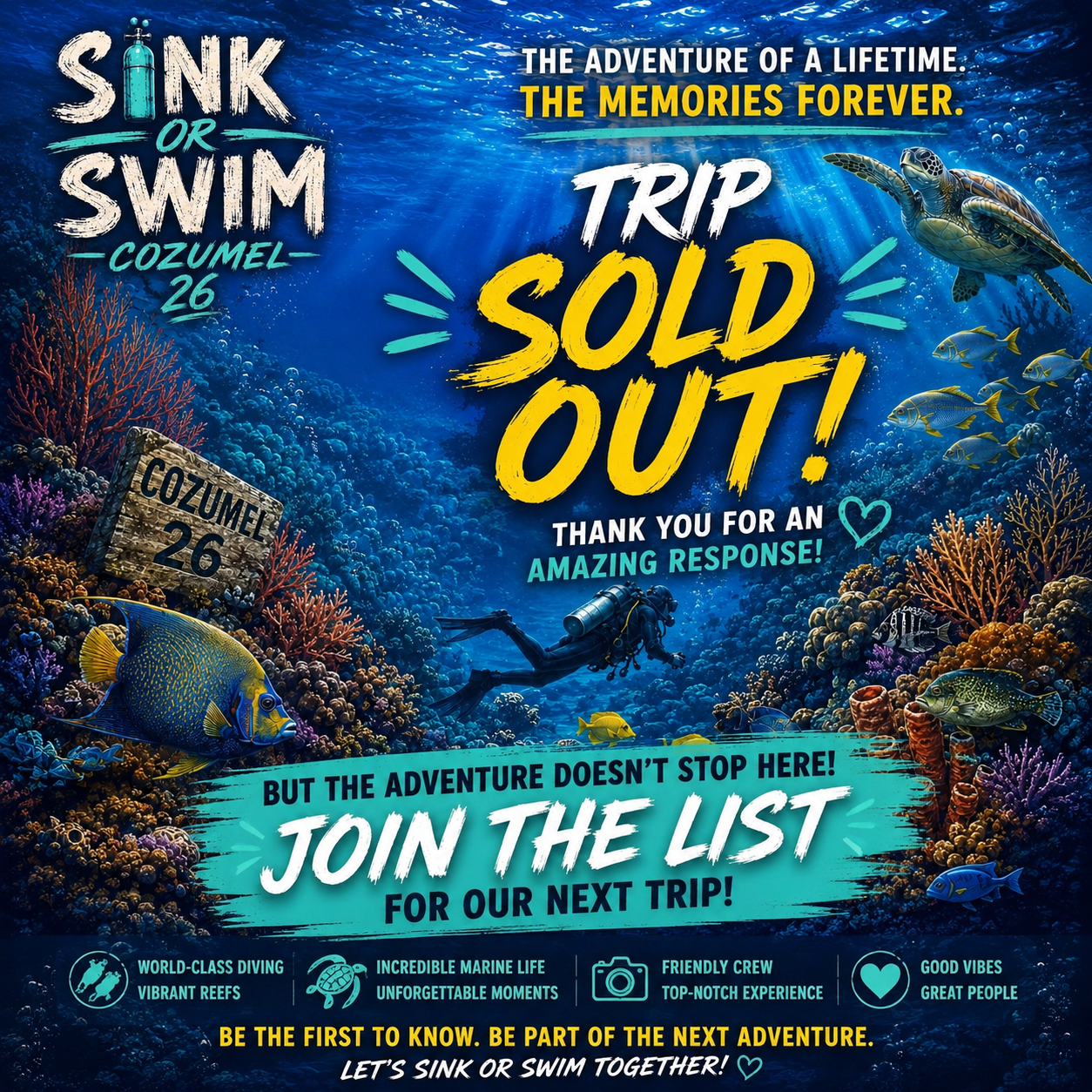
Need Help Choosing Your Next Dive Destination?
Call Sink or Swim Scuba at 704-823-0501, stop by our Gastonia dive shop, or browse our Scuba Trips & Adventures.
Whether you’re considering one of our trips or planning something completely different, we’re happy to talk with you about destinations, training, and equipment.
Sometimes a 10-minute conversation with someone who has actually been there can save you from spending thousands of dollars on a dive vacation that wasn’t really what you were looking for.
And sometimes we’ll tell you to pack your gear and go.
And if our current trip dates or destinations don’t fit your schedule, email us anyway. Tell us where you’re dreaming of diving and what you want out of the trip, and we’ll see how we can still help you get there — whether that’s a future group trip, help planning your own itinerary, or pointing you toward the right operator. Our goal is helping you reach your diving goals, not just filling a scheduled trip. Email Dive@SinkorSwimScuba.com.
Ready to skip the guesswork? Browse Sink or Swim Scuba's upcoming group dive trips, or call us at 704-823-0501 — we'll help you choose the right destination and handle the details, so you just show up and dive.
