
Scuba Diving Gear Guide for Beginners Near Charlotte, NC
Brent Clevenger Jun 09, 2026
If you have been searching online for scuba diving gear, scuba gear near me, best scuba fins, or what scuba gear do I need for certification, you have probably already discovered one thing:
There are a lot of opinions.
Forums, websites, videos, and online stores can all be helpful, but they can also make choosing scuba gear more confusing than it needs to be. One diver says one fin is the best. Another diver says a different mask changed everything. Someone else says you need the most powerful fin, the most expensive regulator, or the same setup they use.
The truth is simple: the best scuba gear is not always the most expensive gear, the cheapest gear, or the gear someone online says is best. The best scuba gear is the gear that fits you, matches your diving goals, and helps you enjoy diving safely and comfortably.
At Sink or Swim Scuba in Gastonia, NC, we help divers from Charlotte, Gastonia, Belmont, Mount Holly, Lake Wylie, Lake Norman, Shelby, Rock Hill, and the surrounding area choose scuba equipment that makes sense for the way they actually dive.
We do sell scuba equipment online, and many of our products are available through our website at competitive prices. We also have a price matching policy on eligible products because we do not believe you should have to choose between good advice and a fair price. But if you are local to us, we would much rather have you come into the store so we can help you choose the right equipment the first time.
We are not here to just ship you a box.
We are here to help you become a better, more comfortable, more confident diver.
Why Choosing Scuba Gear Is Not as Simple as “What Is the Best?”
One of the most common questions new divers ask is:
“What is the best scuba gear?”
That is the wrong question.
A better question is:
“What is the best scuba gear for me?”
There is a big difference.
Your size, strength, experience level, diving goals, travel plans, budget, local diving conditions, and even how you kick underwater all matter. The right gear for a public safety diver may not be the right gear for a new recreational diver. The right gear for a Cozumel drift diver may not be the right gear for someone diving quarries, lakes, and training sites near Charlotte.
That is why we take a different approach.
At Sink or Swim Scuba, we test the equipment we sell. We use it, dive it, teach in it, service it, and compare it against other options. Then we cross that real-world experience with price, value, durability, warranty support, serviceability, and what actually works for most divers.
Many stores just sell stuff.
We try very hard not to be that kind of store.
The Scuba Fin Example: Powerful Does Not Always Mean Better
Fins are a perfect example of why scuba gear advice can get confusing.
A new diver may read online that a strong blade fin is the best choice because it gives you more power and helps you fight current. That sounds good. Power sounds good. Fast sounds good.
But here is what many new divers do not realize:
With a very stiff, powerful fin, you also get a harder kick.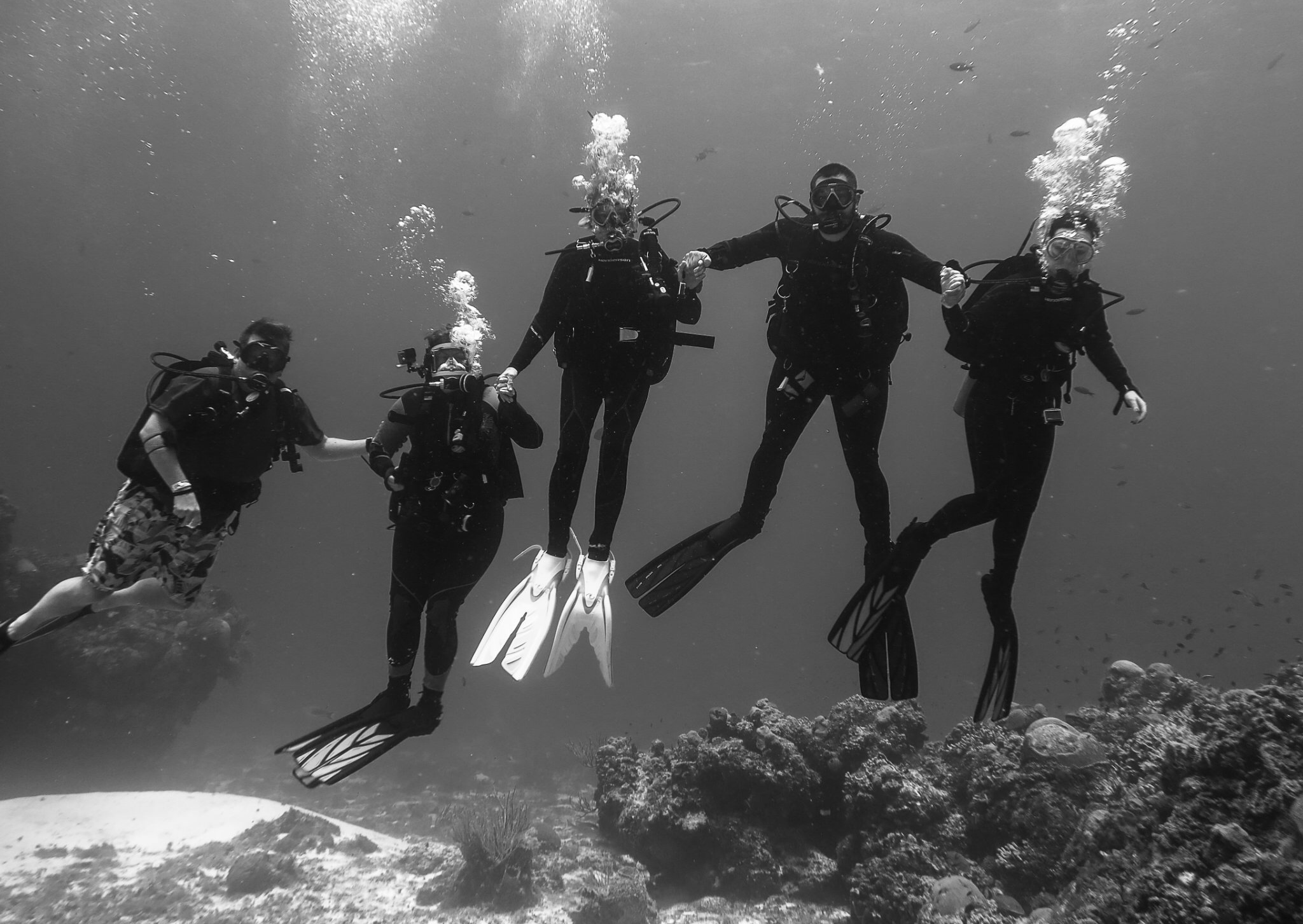
For some divers, that means leg fatigue, calf cramps, sore ankles, and a dive that feels like work. A fin that is “fast” for one diver may be miserable for another diver. Most divers are not trying to sprint underwater. In fact, good diving usually is not a race at all.
If you are diving correctly, you should be relaxed, streamlined, and efficient. Most recreational divers should not be fighting strong current. They should be planning dives appropriately, staying with the group, and using gear that helps them move smoothly without wearing themselves out.
Now, if your main goal is freediving and spearfishing, that may be a completely different conversation. A long, powerful freediving fin may make sense for a short breath-hold dive where you need a lot of propulsion. But that same fin may be a poor choice for a new scuba diver trying to enjoy a relaxed reef dive, quarry dive, or open water class.
That is why “best fins” is not enough.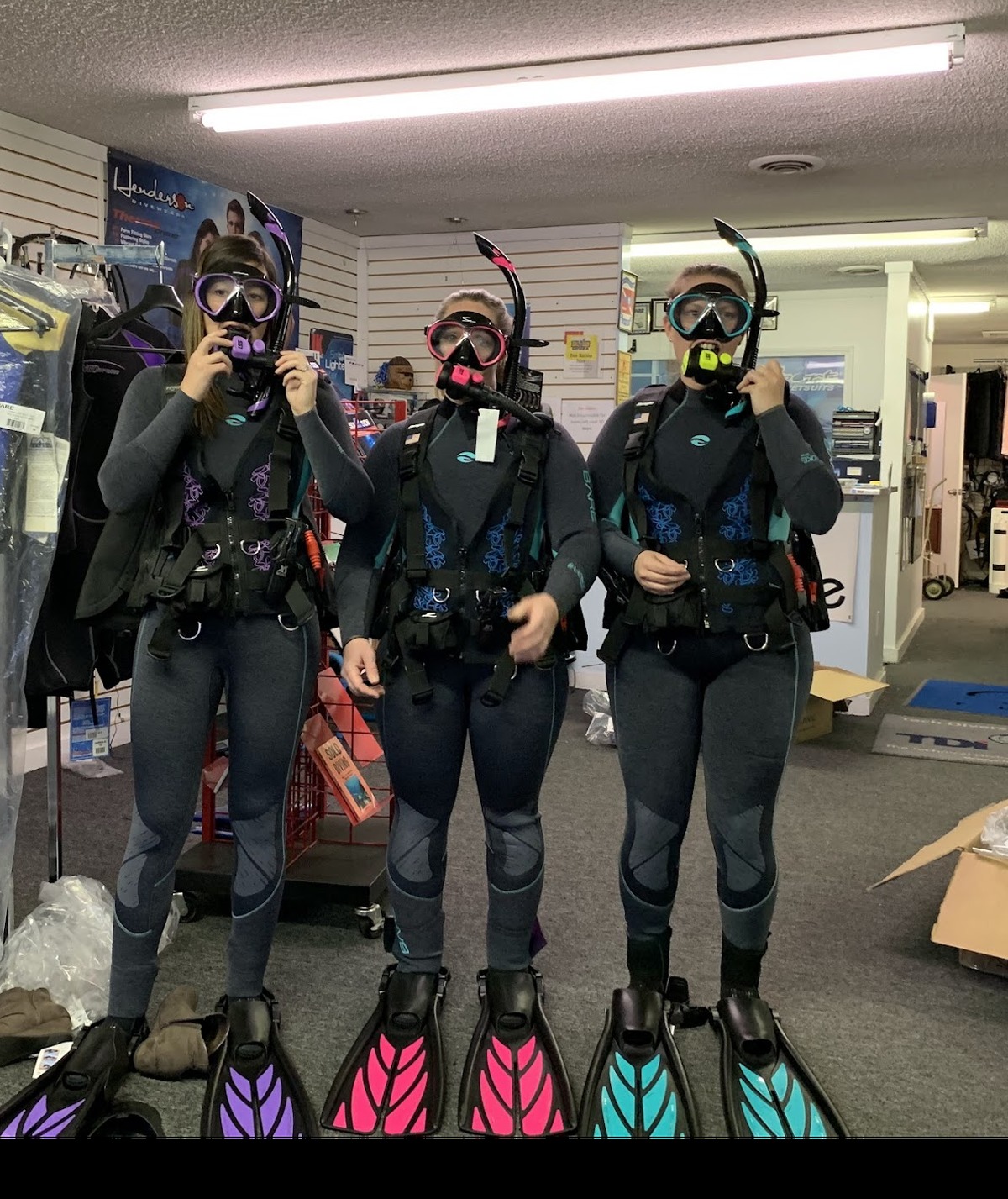
We want to know:
Where are you diving?
Are you a new diver or an experienced diver?
Do you have knee, ankle, hip, or leg issues?
Are you traveling?
Are you diving locally?
Are you doing boat dives, shore dives, quarry dives, or public safety training?
Do you want something lightweight for travel or something more rugged?
Are you likely to dive in current, or are you mostly doing relaxed recreational dives?
Those answers matter.
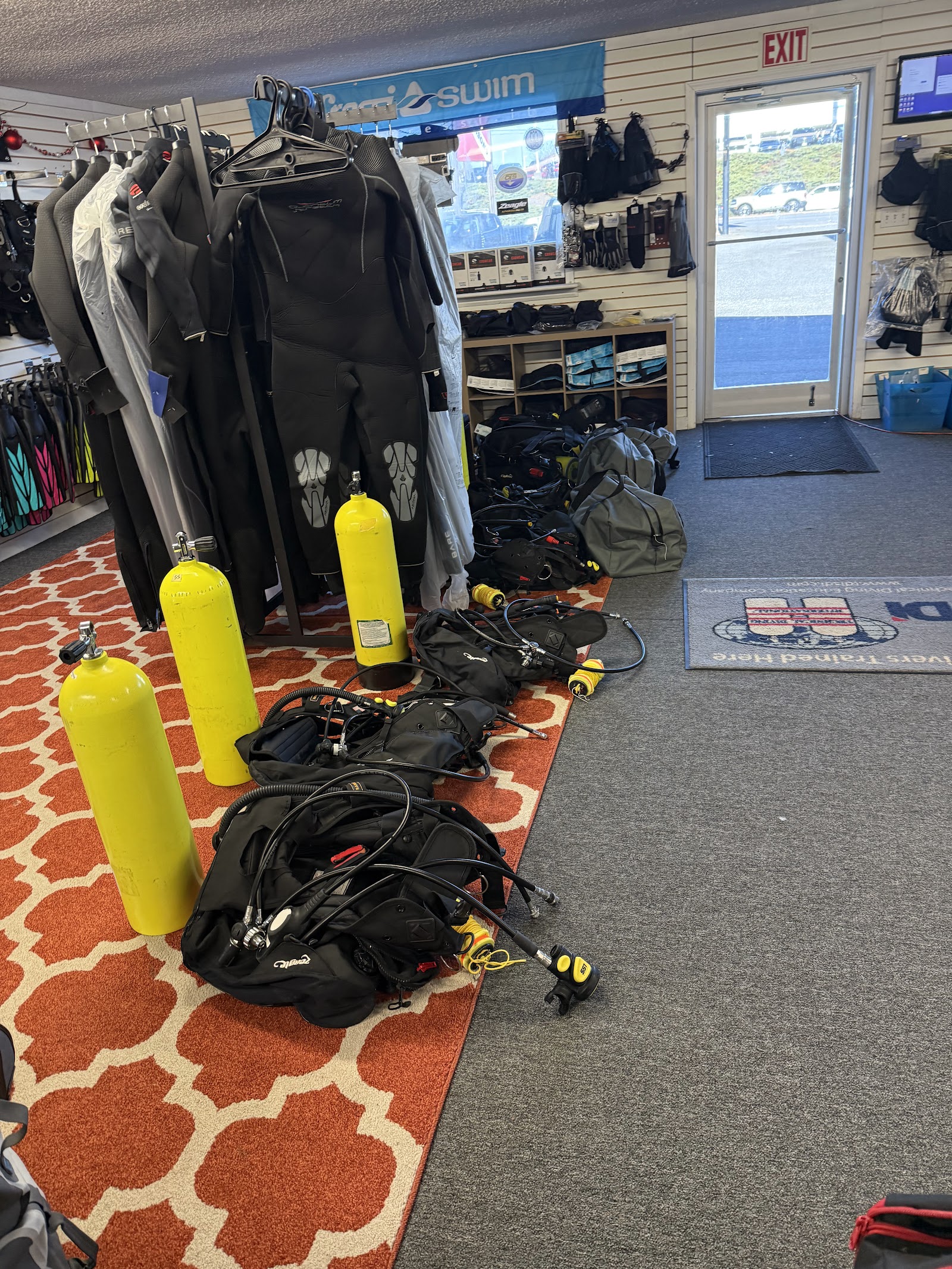
The same is true with almost every piece of scuba equipment.
The Right Scuba Gear Package Should Match the Diver
When we help someone build a scuba gear package, we are not just looking at one product at a time. We are looking at the entire picture.
Who are you as a diver?
Who do you want to become as a diver?
Where will you actually dive?
What is your budget?
What gear will grow with you?
What equipment will be comfortable enough that you actually want to keep diving?
That matters because bad gear choices can make diving feel harder than it should.
A leaking mask can make a student think they hate diving.
A poor fin choice can cause leg cramps and frustration.
A wetsuit that is too thin can make a diver cold and miserable.
A BCD that does not fit correctly can make buoyancy harder.
A regulator setup that is not adjusted well can make a diver feel uncomfortable.
A dive computer that is confusing can add stress instead of confidence.
Experienced divers and instructors usually know when the problem is the gear setup. New divers often do not. A new student may simply think, “Maybe scuba diving is not for me.”
That is one of the reasons we care so much about gear.
We do not want you to have a bad experience because of the wrong equipment.
Should You Buy Scuba Gear Before Certification?
We understand why many students want to rent gear first.
Scuba equipment is an investment, and it is reasonable to wonder whether you should wait until after certification to buy everything. If budget is a major concern, renting gear can help you get started.
But in our opinion, when budget allows, students have the best experience when they learn in their own properly fitted scuba gear.
Here is why.
When you rent gear, it is usually general-purpose rental equipment. It is made to fit a lot of different people. Someone else may use it tomorrow. It may not be adjusted perfectly for your body, your comfort, or your long-term diving goals.
When you buy your own gear from us, we can set it up for you. We can adjust it. We can explain it. We can help you understand how it works. Then, when you train, you are learning in the same equipment you will continue to use after class.
That builds confidence.
You learn where everything is.
You learn how your BCD fits.
You learn how your fins feel.
You learn how your mask clears.
You learn how your computer works.
You learn how your regulator breathes.
You learn how your own gear behaves underwater.
That familiarity matters.
Scuba diving is already a new experience for most students. The more comfortable and familiar your equipment is, the easier it is to focus on learning the actual skills.
What Scuba Gear Do You Need for Open Water Certification?
For most new divers, scuba gear falls into a few main categories.
1. Personal Scuba Gear
This usually includes:
This is the first gear we usually recommend students own because fit matters so much. A properly fitting mask alone can make a huge difference in your comfort and confidence underwater.
A cheap mask that leaks is not a bargain. Fins that are too stiff, too soft, too loose, or too tight can make your dives harder. Boots that do not fit properly can cause discomfort and blisters.
Personal gear should be personal.
2. Exposure Protection
Depending on where you dive, this may include:
Wetsuit
Drysuit
Hood
Gloves
Rash guard or dive skin
Exposure protection is not just about comfort. It can affect your entire dive experience.
A diver who is cold may use more air, lose focus, and enjoy the dive less. A diver who is properly protected is usually more relaxed and more comfortable.
This is especially important for divers traveling to places like Cozumel, the Florida Keys, the Caribbean, or local quarry and lake diving environments.
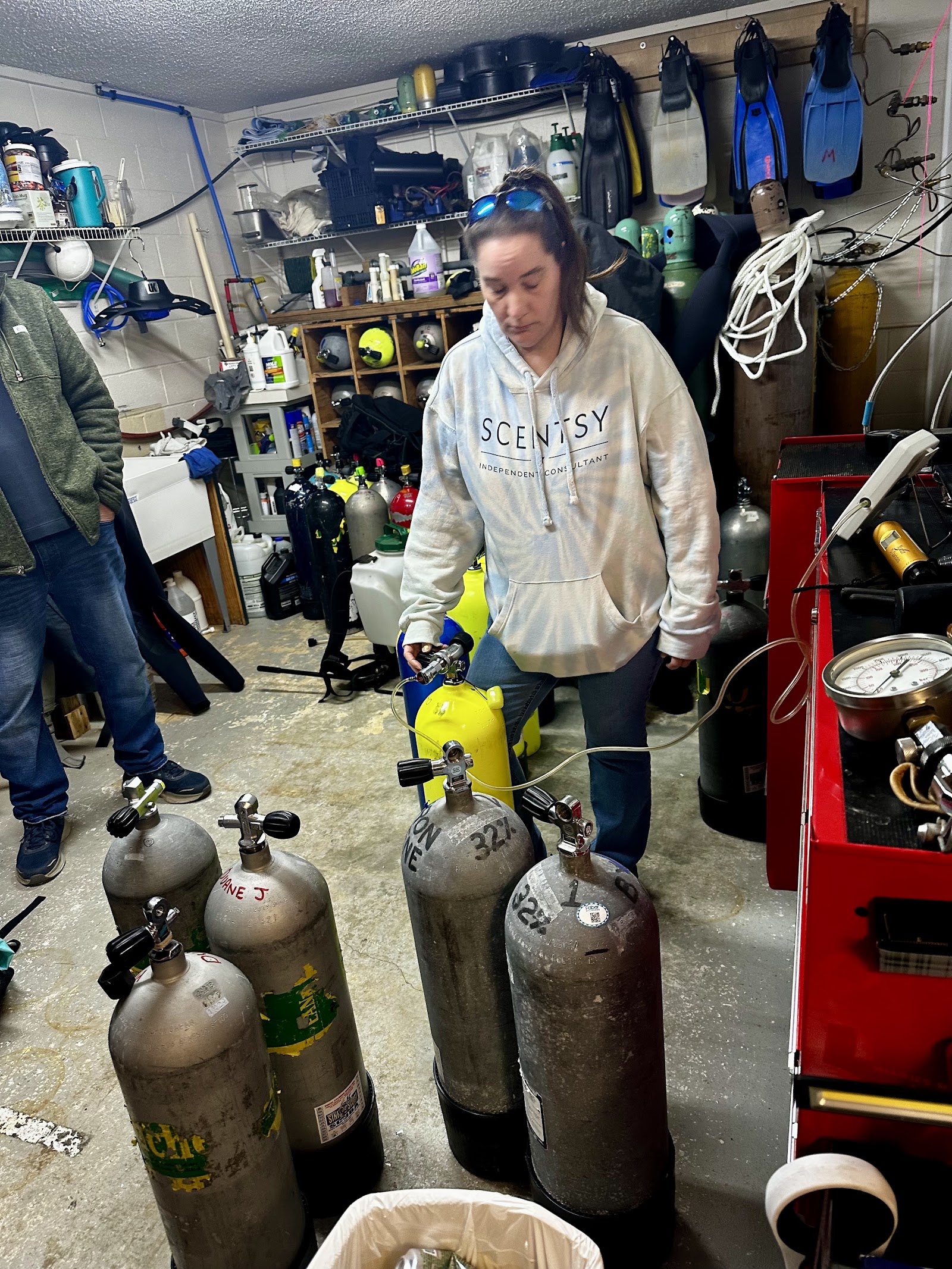
One lesson we have seen many times is that minimal exposure protection is not always the best choice, even in warm water. For example, we have had divers choose shorty wetsuits because they thought warm water meant less protection was better. But full suits can help protect against sun exposure, scrapes, stings, and temperature changes over multiple dives.
On one past Cozumel trip, one of our divers wore a shorty wetsuit while most of the group wore full suits. She ended up getting stung by jellyfish on the exposed areas of her arms and legs, while the divers in full suits were much better protected.
That does not mean every diver always needs the same suit. It means the right choice depends on the full picture, not just the water temperature.
3. Life Support Equipment
This includes:
Regulator
Alternate air source
BCD
Submersible pressure gauge or air integration
Dive computer
This is where good advice really matters.
A regulator should breathe well, be serviceable, and match your diving needs. A BCD should fit properly and support good trim and buoyancy. A dive computer should be understandable, reliable, and appropriate for your current and future diving.
This is also where buying from a local dive shop can make a major difference.
We can help you choose gear that works together as a system. We can assemble it, check it, explain it, and teach you how to use it. We can also help with service and support after the sale.
Good, Better, Best Scuba Gear Packages
Not every diver has the same budget, and that is okay.
At Sink or Swim Scuba, we can help you build a good, better, best scuba gear package based on your needs and goals.
A good package may focus on the most important personal gear first: a quality mask, snorkel, fins, and boots.
A better package may add exposure protection, a dive computer, or other equipment that improves comfort and confidence.
A best package may include a complete life-support setup with regulator, BCD, dive computer, exposure protection, and accessories chosen specifically for how and where you plan to dive.
The goal is not always to sell the most expensive package.
The goal is to help you understand what you are getting at each level, where it makes sense to invest more, and where you can stay within budget without hurting your overall diving experience.
Sometimes the right answer is to buy the better mask, not the most expensive one. Sometimes the right answer is to invest more in the regulator. Sometimes the best upgrade is exposure protection because being cold ruins dives. Sometimes the best value is a package that grows with you as you continue training.
That is why we want to talk with you.
Brent’s Story: Buying the Wrong Gear First
When Brent got into diving, he bought what the dive shop sold him.
Then he realized some of it was not right for him.
Then he bought more gear and realized that was not quite right either.
Then, like many divers, he started buying gear online. That solved some problems, but it created others. Reading reviews and buying online can be helpful, but it still does not always tell you what will work best for you.
That experience shaped how we do things at Sink or Swim Scuba.
Our goal is to help you avoid buying the wrong gear over and over again.
We would rather help you buy the right gear once.
The right setup may last you for years. In many cases, if you buy quality scuba equipment that fits your needs, take care of it, and service it properly, you may not need to replace it for a very long time.
That is what we want for our customers.
We want you to trust our advice so much that you do not feel the need to shop anywhere else. Not because we pressured you, but because we helped you make the right decision.
Why Buy Scuba Gear from a Local Dive Shop?
Online shopping can be convenient. We understand that. We sell scuba gear online too.
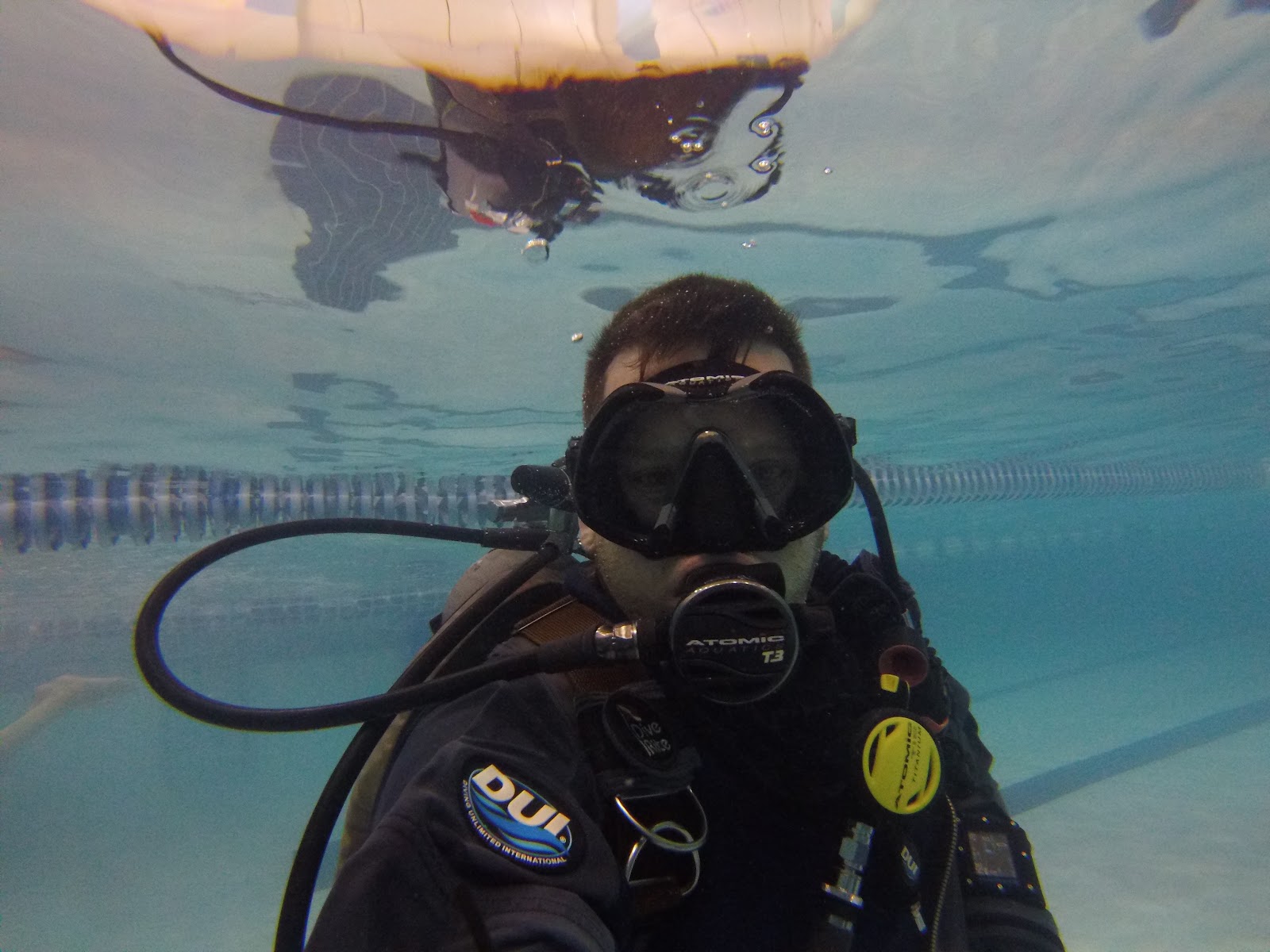
But scuba gear is different from buying a shirt, a phone charger, or a pair of sunglasses.
Scuba equipment affects your comfort, confidence, training, and safety. Fit and setup matter. Service matters. Advice matters.
When you buy from a local dive shop like Sink or Swim Scuba, you get more than a product.
You get help choosing the right equipment.
You get fitting and setup support.
You get instructors who can teach you in your own gear.
You get a shop that knows your diving goals.
You get service and warranty support.
You get real-world advice from divers who use and test the equipment.
You get a local team you can call when you need help.
That local relationship matters.
We have helped divers prepare for certification, local diving, Cozumel trips, advanced training, public safety diving, full face mask diving, drysuit diving, and much more. We know that your gear choices should support where you are going, not just where you are today.
And yes, sometimes being a local dive shop means more than selling gear.
When one of our divers had vehicle trouble after a trip, she called us. We joked that she should call the online store she bought from and ask them for a ride. Then we went and picked her up.
That is the difference.
A box on your porch does not know you.
Your local dive shop should.
Scuba Gear Near Charlotte, Gastonia, Belmont, Lake Wylie, and Lake Norman
If you are looking for scuba gear near Charlotte, NC, we would love to help.
Sink or Swim Scuba is located in Gastonia, NC, and we regularly work with divers from:
Charlotte
Gastonia
Belmont
Mount Holly
Lake Wylie
Lake Norman
Shelby
Rock Hill
Clover
York County
Western North Carolina and Upstate South Carolina
Whether you are getting certified, upgrading your gear, preparing for a dive trip, or trying to fix gear mistakes from the past, we can help you sort through the options.
We Do Sell Scuba Gear Online
If you are not local, you can still buy scuba equipment from us online.
We work hard to offer competitive pricing on the products we carry, and we have a price matching policy on eligible items. But even online, our goal is not just to move boxes. If you have questions, we would rather help you choose correctly than have you buy the wrong thing and regret it later.
If you are local, though, we strongly recommend coming into the store.
Let us measure, fit, compare, explain, and help you choose gear that makes sense for you.
That is where we can provide the most value.
Looking for the Best Scuba Gear? Start with the Right Advice.
The best scuba gear is not always the gear with the most online hype.
It is not always the stiffest fin, the most expensive regulator, the cheapest package, or the setup someone on a forum recommended.
The best scuba gear is the gear that fits you, supports your goals, and helps you enjoy diving.
At Sink or Swim Scuba, we want to help you find your perfect scuba gear package for your needs, your budget, and your future as a diver.
Whether you are just starting your open water certification, getting back into diving, planning a trip, or upgrading your full setup, we are here to help.
Visit Sink or Swim Scuba in Gastonia, NC, near Charlotte, Belmont, Mount Holly, Lake Wylie, and Lake Norman, and let us help you choose scuba gear the right way.
Need help choosing scuba diving gear? Stop by Sink or Swim Scuba or contact us today. We will help you build the right scuba gear package for your diving goals, budget, and experience level.
