
Dive More, Feel Better: Unlock the Benefits of Nitrox with Sink or Swim Scuba
Brent Clevenger Mar 15, 2025
What Is Nitrox Diving? Benefits, Safety, and Why I Use It
If you spend enough time around experienced scuba divers, you will eventually hear someone ask:
“Are you diving air or Nitrox?”
For a newer diver, Nitrox can sound like an advanced or highly technical breathing gas. In reality, enriched air Nitrox is commonly used by recreational divers, especially those making repetitive dives, traveling on dive vacations, or trying to get the most out of each day underwater.
I did not always fully understand why divers were so enthusiastic about it.
It took one memorable dive weekend more than 20 years ago to change my mind.
The Dive That Changed My Opinion About Nitrox
Not long after I opened Sink or Swim Scuba, I was teaching one of my first dive classes with my instructor trainer, Allen Reese.
I was approximately 31 years old. Several of the students were in their 20s. Allen was considerably older than the rest of us—and to a group of divers in their 20s and early 30s, Allen always seemed like he was about 100 years old.
The joke, however, was on us.
After our first day of diving, Allen was bouncing around, talking, working, and full of energy. Meanwhile, the younger divers and I were stretched out on the benches, practically asleep.
At that point, I had heard divers say that Nitrox helped them feel better after diving, but I did not completely understand or believe the benefit.
Allen told me to use Nitrox the following day and see whether I noticed a difference.
The next day, we dove with the same general group under similar conditions. The meaningful change for me was that I switched from regular compressed air to Nitrox.
After the dives, I felt great.
Several of the other divers were back on the benches resting, but I was awake, moving around, and ready to enjoy the rest of the day.
That was not a controlled scientific experiment, and it does not mean every diver will feel the same difference. It was, however, the experience that made me take Nitrox seriously.
More than 20 years later, Nitrox remains an important part of how I dive and how I plan many of my dive trips.
What Is Nitrox?
The regular air we breathe contains approximately 21 percent oxygen and 79 percent nitrogen. 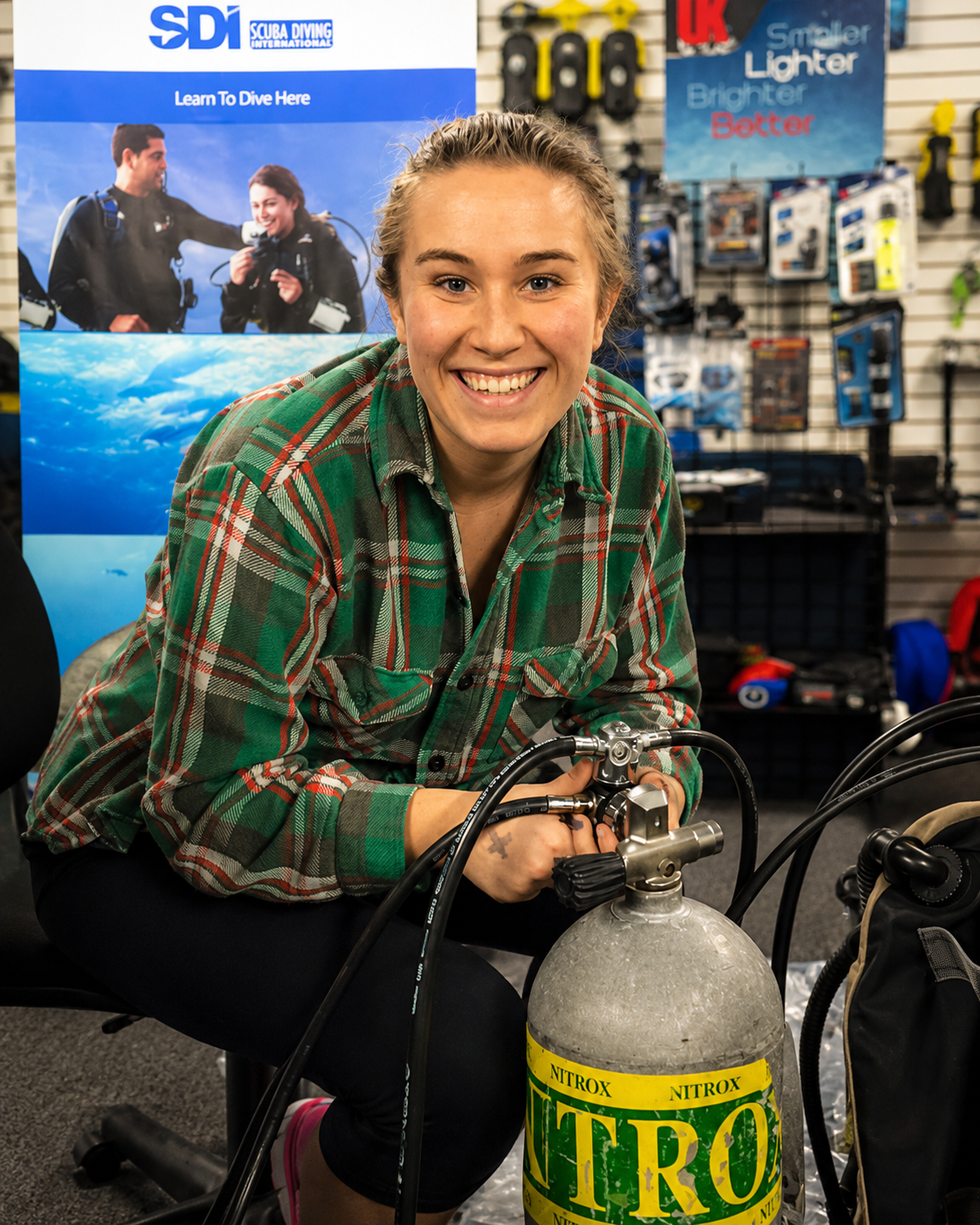
Enriched air Nitrox is a breathing mixture containing a higher percentage of oxygen and a correspondingly lower percentage of nitrogen.
Two of the most common recreational Nitrox mixtures are:
-
Nitrox 32, containing approximately 32 percent oxygen
-
Nitrox 36, containing approximately 36 percent oxygen
The primary benefit is not simply that the diver receives “more oxygen.”
The practical benefit is that the diver breathes less nitrogen at a given depth.
When we dive, increased pressure causes nitrogen to dissolve into the body’s tissues. The amount of nitrogen absorbed is one of the primary factors affecting a diver’s no-decompression limit.
By reducing the percentage of nitrogen in the breathing gas, Nitrox can provide several useful benefits when it is properly analyzed, planned, and used.
Longer No-Decompression Limits
At many common recreational diving depths, Nitrox can provide a longer no-decompression limit than regular air.
That can be especially useful on reefs, wrecks, and repetitive boat dives where a diver may otherwise reach the computer’s no-decompression limit before reaching the planned cylinder pressure.
Nitrox does not make the gas in your cylinder last longer. A diver with a high breathing rate will still consume the available gas at approximately the same rate.
However, Nitrox may provide more time before nitrogen exposure becomes the factor that ends the dive.
More Flexibility During Repetitive Diving
Nitrox is particularly useful when making several dives in one day or diving on multiple consecutive days.
Because the diver is breathing a lower percentage of nitrogen, Nitrox can provide longer no-decompression limits on repetitive dives.
Depending on the dive profiles, it may also provide more flexibility with surface intervals.
The exact benefit depends on how the Nitrox is used. A diver who extends every dive all the way to the new Nitrox limit may use much of the additional decompression advantage.
Another diver may choose to maintain a similar dive time to what would have been planned on air, while using Nitrox to reduce overall nitrogen exposure.
Both approaches can be appropriate when properly planned.
More Enjoyment From the Rest of My Day
One of the most important benefits for me is personal.
After a full day of diving on regular air, particularly after several repetitive dives, I have often wanted to return to the hotel or resort and go directly to sleep.
When I use Nitrox, I frequently feel better after diving.
Instead of losing the rest of the afternoon or evening, I can clean my equipment, eat dinner, explore the area, and spend time with the people traveling with me.
That means I get more out of my vacation days.
I do not travel somewhere just to dive and then sleep through everything else the destination has to offer.
Many divers report similar experiences with post-dive fatigue, although scientific research has not conclusively proven that Nitrox makes every diver feel less tired.
Post-dive fatigue can also be affected by:
-
Physical exertion
-
Dehydration
-
Cold water
-
Poor sleep
-
Travel
-
Seasickness
-
Sun and heat exposure
-
Multiple repetitive dives
My experience is exactly that—my personal experience.
Nitrox makes a noticeable difference for me, even though another diver may not experience the same effect.
Nitrox Is Not for Diving Deeper
One of the most important misconceptions about Nitrox is that the additional oxygen allows a diver to go deeper.
It does not.
In fact, increasing the percentage of oxygen creates a shallower maximum operating depth, commonly called the MOD.
Oxygen can become toxic when its partial pressure becomes too high. Therefore, every Nitrox mixture has a maximum operating depth that must be calculated and respected.
A richer oxygen mixture generally has a shallower maximum operating depth.
This is why Nitrox divers must:
-
Analyze the oxygen percentage in their own cylinder
-
Confirm the maximum operating depth
-
Properly label and document the cylinder
-
Program their dive computer for the correct oxygen percentage
-
Remain within the limits of the breathing mixture
Nitrox is used to manage nitrogen exposure—not to exceed normal recreational depth limits.
Can Nitrox Make Diving Safer?
Nitrox does not eliminate the risk of decompression sickness, oxygen toxicity, running out of gas, or other diving hazards.
No breathing mixture makes scuba diving risk-free.
However, a diver can choose to use Nitrox conservatively by conducting approximately the same depth and duration that would have been planned on air.
In that situation, the diver generally absorbs less nitrogen than on the equivalent air dive.
Many divers choose to use Nitrox this way rather than using all of the additional no-decompression time.
Nitrox is one more tool that properly trained divers can use when planning responsible dives.
Why Do You Need Nitrox Certification?
Nitrox is simple to use after proper training, but divers must understand its procedures and limitations.
During the SDI Computer Nitrox Diver course, students learn how to:
-
Understand the benefits and limitations of enriched air Nitrox
-
Analyze the oxygen percentage in a scuba cylinder
-
Calculate and respect the maximum operating depth
-
Properly label and document an analyzed cylinder
-
Program a dive computer for the correct oxygen percentage
-
Monitor nitrogen and oxygen exposure
-
Plan Nitrox dives responsibly
The SDI Computer Nitrox Diver course is an excellent next step for newly certified divers, experienced recreational divers, and anyone preparing for a dive vacation with repetitive diving.
Divers who have not yet earned their initial scuba certification can begin with our SDI Open Water Scuba Diver course.

Advanced Nitrox and Gas-Blending Training
Some divers want to understand more than the everyday recreational use of Nitrox.
Sink or Swim Scuba also offers several additional training options.
The TDI Nitrox Diver course provides a more detailed understanding of the principles and calculations involved in Nitrox diving.
The TDI Nitrox Gas Blender course is designed for divers and dive professionals who want to understand how Nitrox is produced, analyzed, documented, and handled.
The TDI Advanced Nitrox Diver course is intended for qualified divers continuing into technical-diving procedures and the use of higher-oxygen mixtures.
These courses serve different purposes.
A recreational diver who simply wants to use common Nitrox mixtures on dive trips will normally begin with the SDI Computer Nitrox Diver course.
Is Nitrox Worth It?
For many active scuba divers, Nitrox is one of the most useful additional certifications they can earn.
Nitrox can provide:
-
Longer no-decompression limits at appropriate depths
-
Greater flexibility during repetitive dives
-
The option to reduce nitrogen exposure
-
Better use of valuable dive and vacation time
-
A stronger understanding of breathing gases and dive-computer planning
For me, the lesson began more than 20 years ago while Allen Reese was bouncing around after a dive and the rest of us were falling asleep on the benches.
I did not completely believe the claims until I experienced the difference myself.
Today, Nitrox is an important part of how I dive, how I plan trips, and how we train divers at Sink or Swim Scuba.
Frequently Asked Questions About Nitrox Diving
What is Nitrox in scuba diving?
Nitrox, also called enriched air Nitrox, is a scuba breathing gas containing a higher percentage of oxygen and a lower percentage of nitrogen than regular air.
Normal air contains approximately 21 percent oxygen. Common recreational Nitrox mixtures include Nitrox 32, with approximately 32 percent oxygen, and Nitrox 36, with approximately 36 percent oxygen.
The primary purpose of Nitrox is to reduce the amount of nitrogen a diver breathes at a given depth. When properly planned and used, this can provide longer no-decompression limits and greater flexibility during repetitive diving.
What are the main benefits of Nitrox diving?
The potential benefits of Nitrox diving include:
- Longer no-decompression limits at many recreational depths
- Greater flexibility when making repetitive dives
- Reduced nitrogen exposure compared with a similar dive made on air
- More options when planning multiple dives in one day
- Better use of limited vacation and dive time
Nitrox does not make a scuba cylinder last longer. Your breathing rate and gas consumption remain important factors when determining how long you can stay underwater.
Does Nitrox give you longer bottom time?
Nitrox can provide longer no-decompression limits at many common recreational diving depths.
Whether that results in a longer actual dive depends on several factors, including gas consumption, cylinder size, depth, environmental conditions and the dive plan. A diver may still need to end the dive because of remaining cylinder pressure before reaching the Nitrox no-decompression limit.
Some divers use the additional no-decompression time to extend their dives. Others follow approximately the same profile they would have used on air and use Nitrox to reduce their nitrogen exposure.
Does Nitrox allow shorter surface intervals?
Nitrox may provide more flexibility during repetitive diving and may allow a shorter surface interval for certain dive profiles.
The exact benefit depends on the depth and duration of the previous dive, the Nitrox mixture being used and the planned next dive. Divers must follow their training and use a properly programmed dive computer when planning repetitive Nitrox dives.
Nitrox does not eliminate the need for appropriate surface intervals.
Does Nitrox make divers feel less tired?
Many divers, including me, report feeling better or less tired after diving with Nitrox, particularly during repetitive dive days.
However, scientific research has not conclusively established that Nitrox consistently reduces post-dive fatigue for every diver. Tiredness after diving can also be affected by dehydration, physical exertion, cold, poor sleep, travel, heat, seasickness and other factors.
I notice a meaningful difference when I use Nitrox, but another diver may not have the same experience.
Can you dive deeper with Nitrox?
No. Nitrox is not intended to help divers go deeper.
Because Nitrox contains a higher percentage of oxygen, it has a shallower maximum operating depth than regular air. Going below the maximum operating depth can expose a diver to an unsafe oxygen partial pressure and increase the risk of oxygen toxicity.
Each cylinder must be analyzed, and the diver must know the oxygen percentage and maximum operating depth before entering the water.
Is Nitrox safer than regular air?
Nitrox can reduce nitrogen exposure when it is used for approximately the same depth and duration as an air dive. Many divers use it conservatively for this reason.
However, Nitrox does not eliminate the risks of decompression sickness, oxygen toxicity, gas emergencies or other diving hazards. It also introduces oxygen-exposure limits that divers must understand and respect.
Nitrox should be considered a useful dive-planning tool—not a guarantee of safety.
Do I need to analyze my own Nitrox cylinder?
Yes. Nitrox divers should personally confirm the oxygen percentage in their cylinders before diving.
The diver should analyze the mixture, verify the cylinder markings, confirm the maximum operating depth and program the dive computer for the correct oxygen percentage.
Never assume that a cylinder contains the expected mixture simply because it has a Nitrox label or was requested at a certain percentage.
Do I need a special dive computer for Nitrox?
You need a dive computer that can be programmed for the oxygen percentage in the cylinder you are using.
Most modern recreational dive computers are Nitrox-capable, but the diver must know how to enter the correct mixture and confirm the computer settings before every dive.
A computer left on the wrong oxygen setting can provide incorrect no-decompression or oxygen-exposure information.
Do I need special scuba equipment to use Nitrox?
For common recreational Nitrox mixtures, equipment requirements depend on the oxygen percentage, manufacturer specifications and applicable fill procedures.
Many modern regulators and scuba cylinders can be used with recreational Nitrox mixtures when they are properly maintained and approved by their manufacturers. Higher oxygen concentrations and certain blending methods may require oxygen-clean equipment and additional procedures.
Your Nitrox course will explain the equipment considerations that apply to recreational enriched air diving.
Can a newly certified Open Water diver use Nitrox?
Yes. Nitrox is useful for both newer and experienced recreational divers.
A newly certified diver can complete a Nitrox course and use enriched air after learning how to analyze the gas, determine the maximum operating depth, program a dive computer and monitor nitrogen and oxygen exposure.
Divers who have not yet completed their initial certification can begin with the SDI Open Water Scuba Diver course.
Is Nitrox certification difficult?
Nitrox certification is generally one of the most accessible and useful continuing-education courses for recreational divers.
The course focuses on gas analysis, oxygen percentages, maximum operating depths, dive-computer settings and the benefits and limitations of Nitrox. It does not normally require complicated in-water skills.
Our SDI Computer Nitrox Diver course near Charlotte is designed to help divers use common recreational Nitrox mixtures safely and confidently.
Is Nitrox certification worth it?
For divers who take dive vacations, make repetitive dives or want greater flexibility with their no-decompression limits, Nitrox certification is often one of the most valuable additional scuba certifications available.
It is especially useful for multi-dive boat schedules, liveaboards, group dive trips and destinations where divers may make two or more dives each day.
Even divers who do not plan to extend their bottom time can use Nitrox more conservatively to reduce their nitrogen exposure on a similar dive profile.
Frequently Asked Questions About Nitrox Diving
What is Nitrox in scuba diving?
Nitrox, also called enriched air Nitrox, is a scuba breathing gas containing a higher percentage of oxygen and a lower percentage of nitrogen than regular air.
Normal air contains approximately 21 percent oxygen. Common recreational Nitrox mixtures include Nitrox 32, with approximately 32 percent oxygen, and Nitrox 36, with approximately 36 percent oxygen.
The primary purpose of Nitrox is to reduce the amount of nitrogen a diver breathes at a given depth. When properly planned and used, this can provide longer no-decompression limits and greater flexibility during repetitive diving.
What are the main benefits of Nitrox diving?
The potential benefits of Nitrox diving include:
- Longer no-decompression limits at many recreational depths
- Greater flexibility when making repetitive dives
- Reduced nitrogen exposure compared with a similar dive made on air
- More options when planning multiple dives in one day
- Better use of limited vacation and dive time
Nitrox does not make a scuba cylinder last longer. Your breathing rate and gas consumption remain important factors when determining how long you can stay underwater.
Does Nitrox give you longer bottom time?
Nitrox can provide longer no-decompression limits at many common recreational diving depths.
Whether that results in a longer actual dive depends on several factors, including gas consumption, cylinder size, depth, environmental conditions and the dive plan. A diver may still need to end the dive because of remaining cylinder pressure before reaching the Nitrox no-decompression limit.
Some divers use the additional no-decompression time to extend their dives. Others follow approximately the same profile they would have used on air and use Nitrox to reduce their nitrogen exposure.
Does Nitrox allow shorter surface intervals?
Nitrox may provide more flexibility during repetitive diving and may allow a shorter surface interval for certain dive profiles.
The exact benefit depends on the depth and duration of the previous dive, the Nitrox mixture being used and the planned next dive. Divers must follow their training and use a properly programmed dive computer when planning repetitive Nitrox dives.
Nitrox does not eliminate the need for appropriate surface intervals.
Does Nitrox make divers feel less tired?
Many divers, including me, report feeling better or less tired after diving with Nitrox, particularly during repetitive dive days.
However, scientific research has not conclusively established that Nitrox consistently reduces post-dive fatigue for every diver. Tiredness after diving can also be affected by dehydration, physical exertion, cold, poor sleep, travel, heat, seasickness and other factors.
I notice a meaningful difference when I use Nitrox, but another diver may not have the same experience.
Can you dive deeper with Nitrox?
No. Nitrox is not intended to help divers go deeper.
Because Nitrox contains a higher percentage of oxygen, it has a shallower maximum operating depth than regular air. Going below the maximum operating depth can expose a diver to an unsafe oxygen partial pressure and increase the risk of oxygen toxicity.
Each cylinder must be analyzed, and the diver must know the oxygen percentage and maximum operating depth before entering the water.
Is Nitrox safer than regular air?
Nitrox can reduce nitrogen exposure when it is used for approximately the same depth and duration as an air dive. Many divers use it conservatively for this reason.
However, Nitrox does not eliminate the risks of decompression sickness, oxygen toxicity, gas emergencies or other diving hazards. It also introduces oxygen-exposure limits that divers must understand and respect.
Nitrox should be considered a useful dive-planning tool—not a guarantee of safety.
Do I need to analyze my own Nitrox cylinder?
Yes. Nitrox divers should personally confirm the oxygen percentage in their cylinders before diving.
The diver should analyze the mixture, verify the cylinder markings, confirm the maximum operating depth and program the dive computer for the correct oxygen percentage.
Never assume that a cylinder contains the expected mixture simply because it has a Nitrox label or was requested at a certain percentage.
Do I need a special dive computer for Nitrox?
You need a dive computer that can be programmed for the oxygen percentage in the cylinder you are using.
Most modern recreational dive computers are Nitrox-capable, but the diver must know how to enter the correct mixture and confirm the computer settings before every dive.
A computer left on the wrong oxygen setting can provide incorrect no-decompression or oxygen-exposure information.
Do I need special scuba equipment to use Nitrox?
For common recreational Nitrox mixtures, equipment requirements depend on the oxygen percentage, manufacturer specifications and applicable fill procedures.
Many modern regulators and scuba cylinders can be used with recreational Nitrox mixtures when they are properly maintained and approved by their manufacturers. Higher oxygen concentrations and certain blending methods may require oxygen-clean equipment and additional procedures.
Your Nitrox course will explain the equipment considerations that apply to recreational enriched air diving.
Can a newly certified Open Water diver use Nitrox?
Yes. Nitrox is useful for both newer and experienced recreational divers.
A newly certified diver can complete a Nitrox course and use enriched air after learning how to analyze the gas, determine the maximum operating depth, program a dive computer and monitor nitrogen and oxygen exposure.
Divers who have not yet completed their initial certification can begin with the SDI Open Water Scuba Diver course.
Is Nitrox certification difficult?
Nitrox certification is generally one of the most accessible and useful continuing-education courses for recreational divers.
The course focuses on gas analysis, oxygen percentages, maximum operating depths, dive-computer settings and the benefits and limitations of Nitrox. It does not normally require complicated in-water skills.
Our SDI Computer Nitrox Diver course near Charlotte is designed to help divers use common recreational Nitrox mixtures safely and confidently.
Get Nitrox Certified Near Charlotte, NC
Sink or Swim Scuba provides SDI and TDI Nitrox training for divers from Gastonia, Charlotte, Belmont, Mount Holly, Lake Wylie, Lake Norman, and surrounding communities.
Whether you are preparing for your first major dive trip, planning repetitive boat dives, or simply want to better understand what is inside your scuba cylinder, Nitrox training is a practical next step in your diving education.
Learn more about the SDI Computer Nitrox Diver course and get started today.
