
Public Safety Diving Training and Equipment for Real-World Operations
Brent Clevenger Dec 13, 2025
Public safety diving is one of the most demanding and unforgiving forms of diving. Unlike recreational diving, public safety divers operate in zero visibility, contaminated water, extreme environments, and high-stress situations where mistakes can cost lives. In these conditions, proper training, reliable equipment, and real-world readiness are not optional. They are critical.
At Sink or Swim Scuba, we work directly with fire departments, law enforcement agencies, emergency management organizations, and recovery teams across the country. Our focus is simple: develop confident, capable public safety divers who can safely perform their mission when conditions are at their worst.
Why Training Matters in Public Safety Diving
Public safety diving requires specialized training that goes far beyond basic scuba certification. Divers must be prepared to work in black water, heavy entanglement, cold temperatures, strong currents, confined spaces, and hazardous environments. These conditions demand strong situational awareness, disciplined procedures, and the ability to operate as part of a coordinated dive team.
Effective public safety diving training emphasizes structured search patterns, tethered diving operations, scene safety, risk assessment, evidence handling, and emergency procedures. Just as importantly, it builds muscle memory and calm decision-making under stress. Without consistent training, critical skills fade, reaction times slow, and risk increases.
Well-trained public safety dive teams communicate more effectively, manage risk better, and operate with greater efficiency. Training is not just about diver performance. It directly impacts team safety and mission success.
The Role of Equipment in Public Safety Diving Operations
Public safety diving equipment must be selected for reliability, durability, and performance in the harshest conditions. Unlike recreational gear, public safety diving equipment is chosen for redundancy, simplicity, and function in low or zero visibility environments.
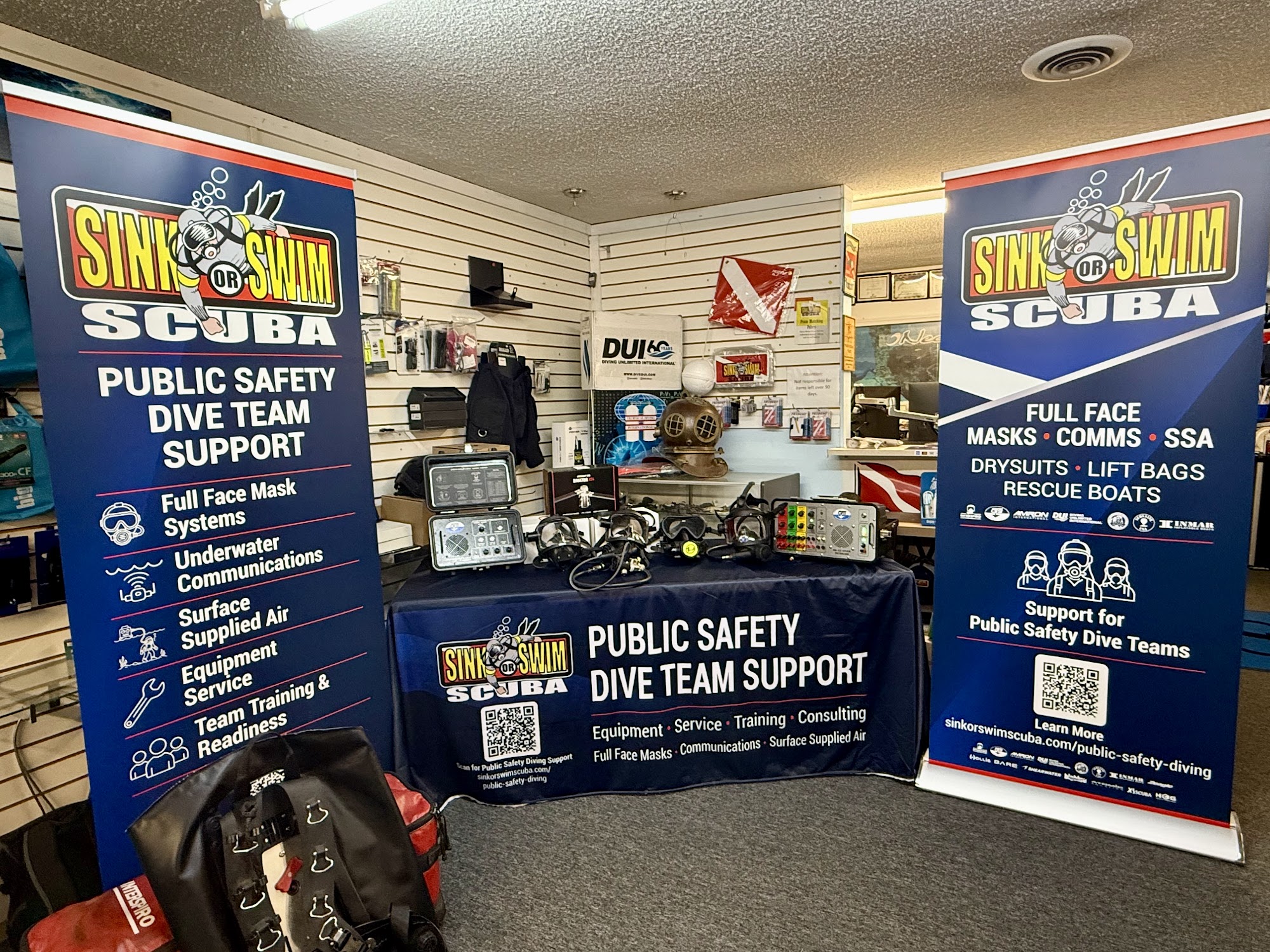
Full face masks with hard-wire or wireless communications allow divers to maintain constant contact with surface support personnel. Dry suits provide essential thermal protection and contamination barriers in cold or polluted water. Surface supplied air systems offer extended bottom times, increased redundancy, and improved safety for certain public safety diving operations.
Proper fit, routine maintenance, and regular inspection are just as important as the equipment itself. A poorly fitted dry suit, improperly serviced regulator, or unfamiliar system can quickly become a liability during an operation. Public safety divers should train with the same equipment they deploy in the field, ensuring confidence and familiarity under stress.
Real-World Application and Operational Experience
Training and equipment only become effective when they are applied correctly in real-world scenarios. Public safety diving is rarely conducted in ideal conditions. Teams must adapt to changing environments, make sound decisions under pressure, and solve problems collectively while maintaining safety protocols.
Scenario-based training bridges the gap between classroom instruction and operational readiness. It prepares divers to respond to unexpected challenges, manage stress, and operate efficiently when visibility drops to zero and conditions deteriorate. These experiences build confidence and prepare teams for real missions.
Working with instructors who have real-world public safety diving experience makes a measurable difference. Practical insight gained from field operations cannot be replaced by theory alone. Experienced instructors understand operational pressures and design training that reflects real conditions.
Supporting Public Safety Dive Teams Nationwide
Public Safety Diving Training and Equipment for Real-World Operations
Public safety diving is one of the most demanding and unforgiving forms of diving. Unlike recreational diving, public safety divers operate in zero visibility, contaminated water, extreme environments, and high-stress situations where mistakes can cost lives. In these conditions, proper training, reliable equipment, and real-world readiness are not optional. They are critical.
At Sink or Swim Scuba, we work directly with fire departments, law enforcement agencies, emergency management organizations, and recovery teams across the country. Our focus is simple: develop confident, capable public safety divers who can safely perform their mission when conditions are at their worst.
Why Training Matters in Public Safety Diving
Public safety diving requires specialized training that goes far beyond basic scuba certification. Divers must be prepared to work in black water, heavy entanglement, cold temperatures, strong currents, confined spaces, and hazardous environments. These conditions demand strong situational awareness, disciplined procedures, and the ability to operate as part of a coordinated dive team.
Effective public safety diving training emphasizes structured search patterns, tethered diving operations, scene safety, risk assessment, evidence handling, and emergency procedures. Just as importantly, it builds muscle memory and calm decision-making under stress. Without consistent training, critical skills fade, reaction times slow, and risk increases.
Well-trained public safety dive teams communicate more effectively, manage risk better, and operate with greater efficiency. Training is not just about diver performance. It directly impacts team safety and mission success.
The Role of Equipment in Public Safety Diving Operations
Public safety diving equipment must be selected for reliability, durability, and performance in the harshest conditions. Unlike recreational gear, public safety diving equipment is chosen for redundancy, simplicity, and function in low or zero visibility environments.
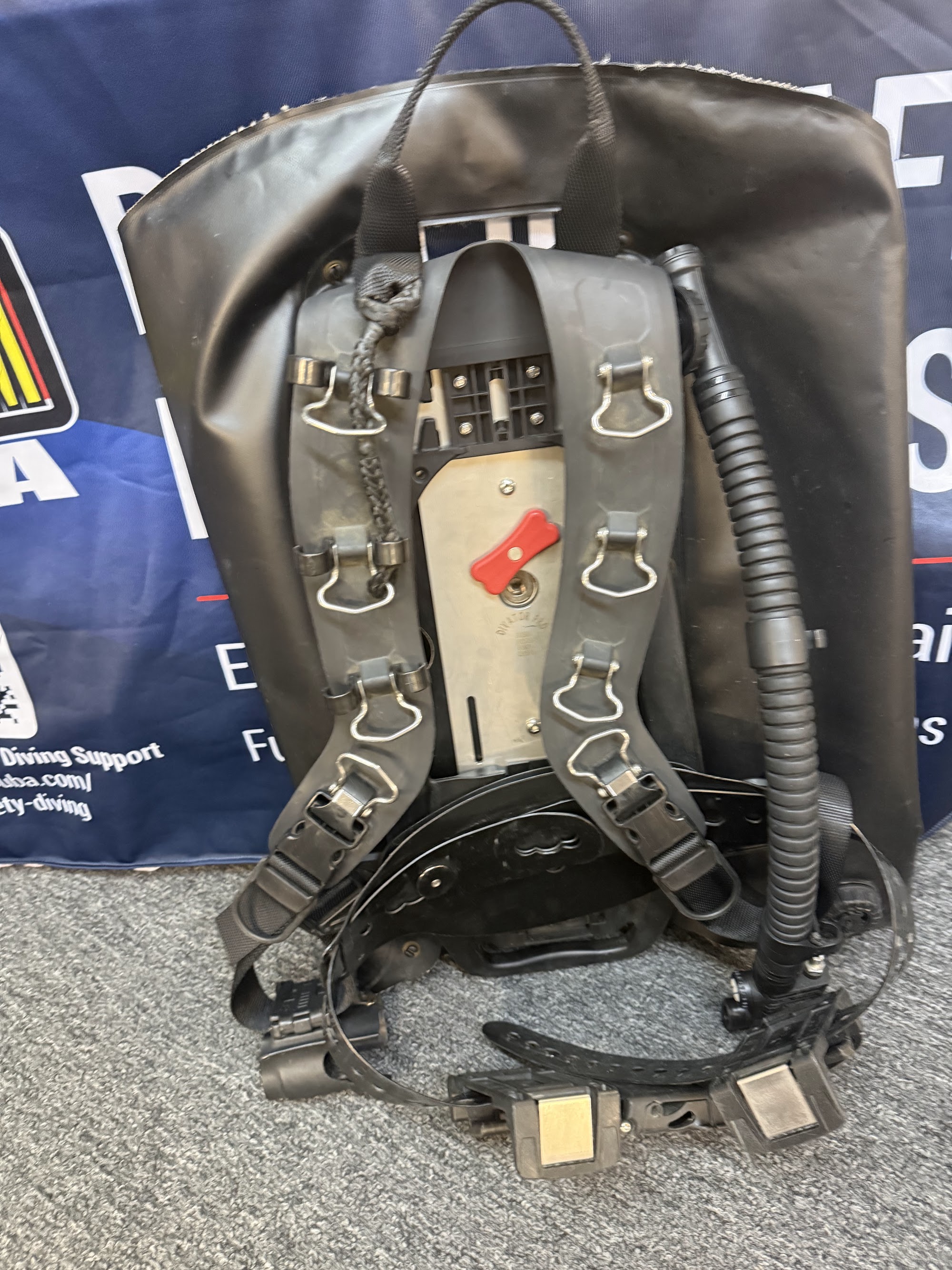
Full face masks with hard-wire or wireless communications allow divers to maintain constant contact with surface support personnel. Dry suits provide essential thermal protection and contamination barriers in cold or polluted water. Surface supplied air systems offer extended bottom times, increased redundancy, and improved safety for certain public safety diving operations.
Proper fit, routine maintenance, and regular inspection are just as important as the equipment itself. A poorly fitted dry suit, improperly serviced regulator, or unfamiliar system can quickly become a liability during an operation. Public safety divers should train with the same equipment they deploy in the field, ensuring confidence and familiarity under stress.
Real-World Application and Operational Experience
Training and equipment only become effective when they are applied correctly in real-world scenarios. Public safety diving is rarely conducted in ideal conditions. Teams must adapt to changing environments, make sound decisions under pressure, and solve problems collectively while maintaining safety protocols.
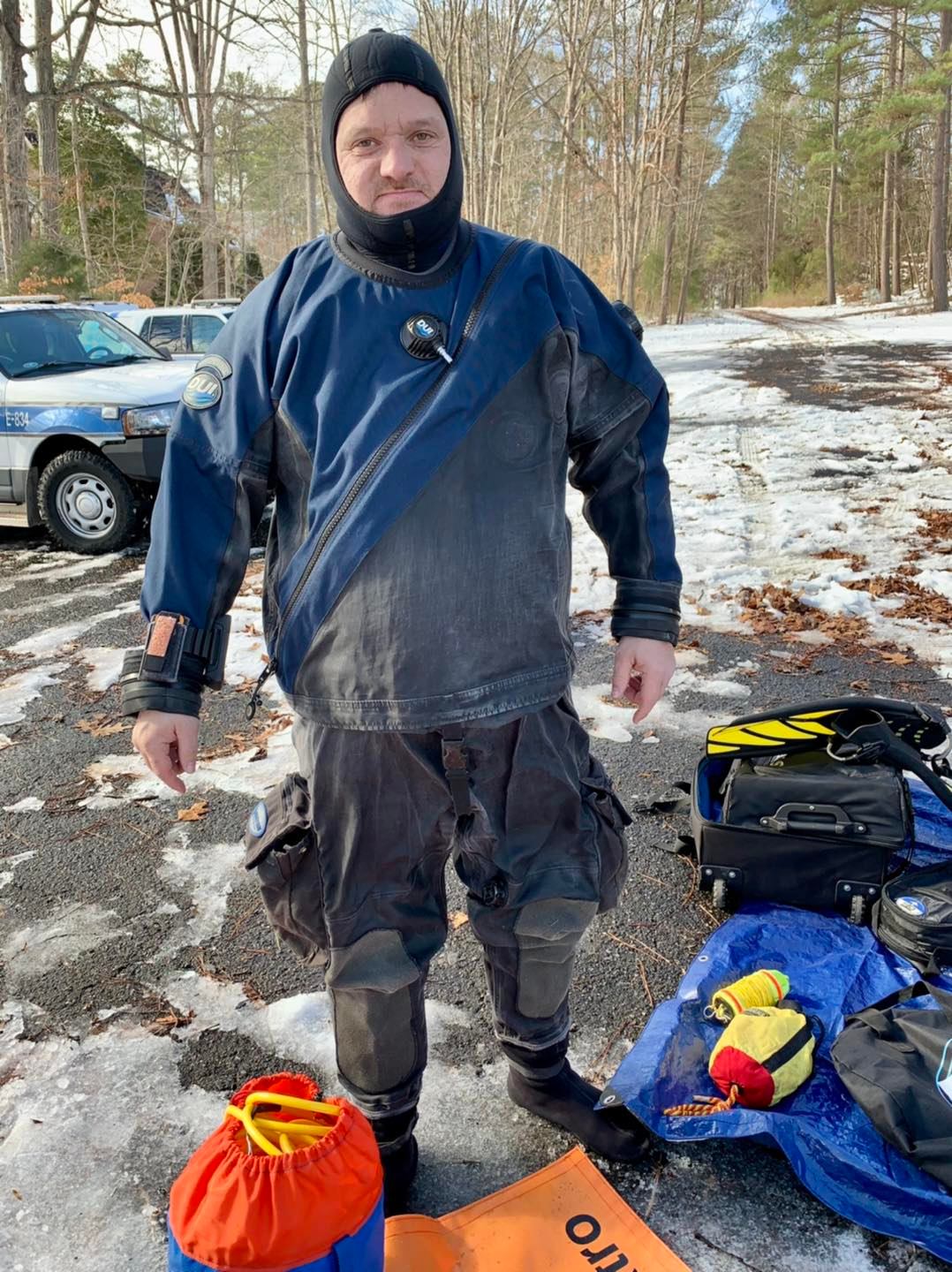
Car recovery operation conducted in winter conditions with ice on the ground.
Scenario-based training bridges the gap between classroom instruction and operational readiness. It prepares divers to respond to unexpected challenges, manage stress, and operate efficiently when visibility drops to zero and conditions deteriorate. These experiences build confidence and prepare teams for real missions.
Working with instructors who have real-world public safety diving experience makes a measurable difference. Practical insight gained from field operations cannot be replaced by theory alone. Experienced instructors understand operational pressures and design training that reflects real conditions.
Supporting Public Safety Dive Teams Nationwide
Sink or Swim Scuba proudly supports public safety dive teams at the local, regional, and national level. We provide public safety diving training, equipment consultation, and ongoing operational support tailored to the specific needs of each team. Whether you are establishing a new dive program, upgrading equipment, or refining procedures, we work alongside your team to develop practical, mission-focused solutions.
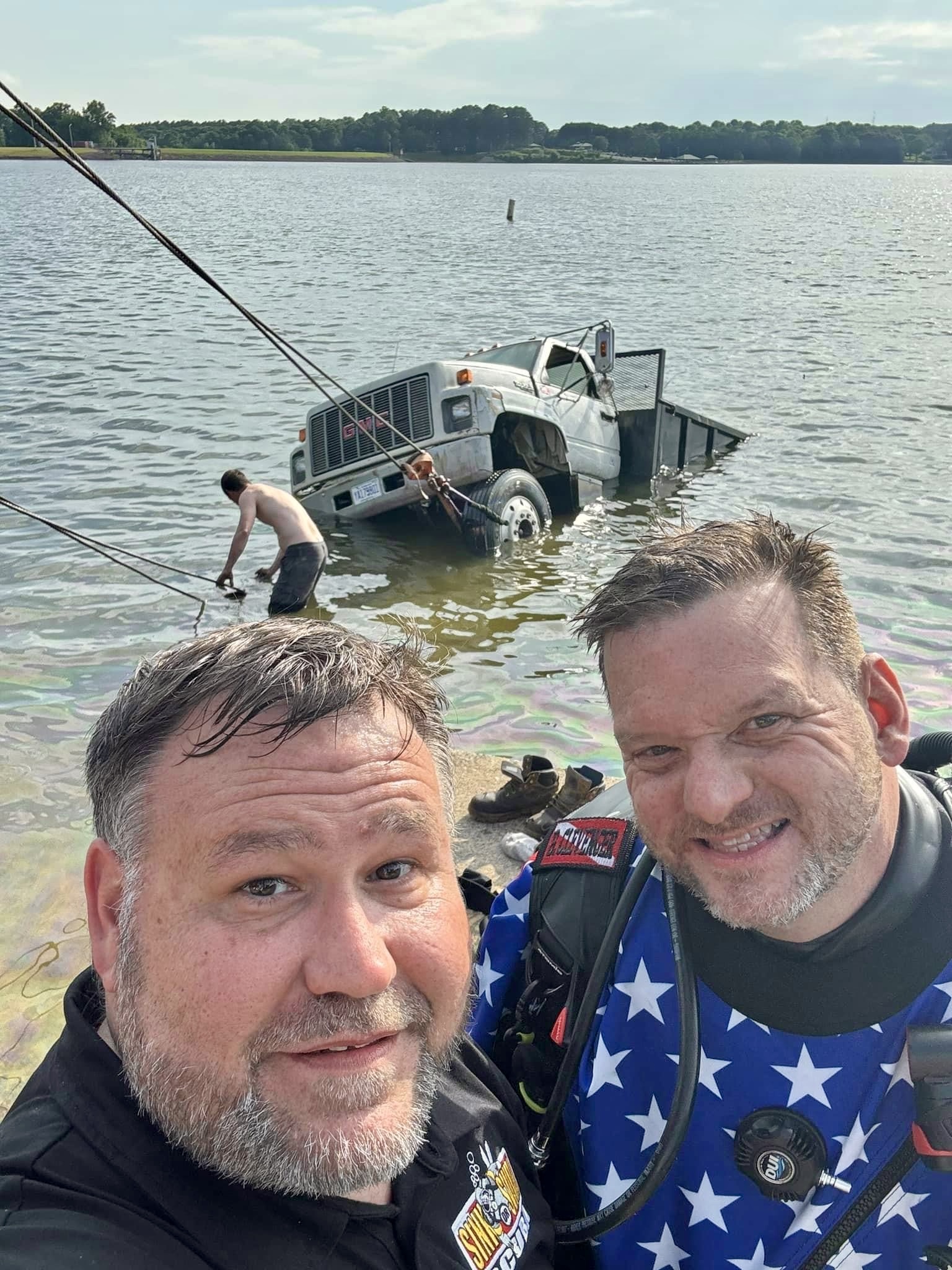
Brent Clevenger and Charlie supporting a vehicle recovery operation.
We recognize that every public safety dive team operates under unique constraints, including budget, staffing, and environmental conditions. Our role is to help teams make informed decisions that improve safety, readiness, and long-term sustainability.
If your team is evaluating public safety diving training, upgrading equipment such as full face masks, dry suits, or surface supplied air systems, or looking for expert guidance on operational readiness, Sink or Swim Scuba is ready to help. We offer nationwide consultations, on-site training options, and equipment support designed specifically for public safety diving professionals.
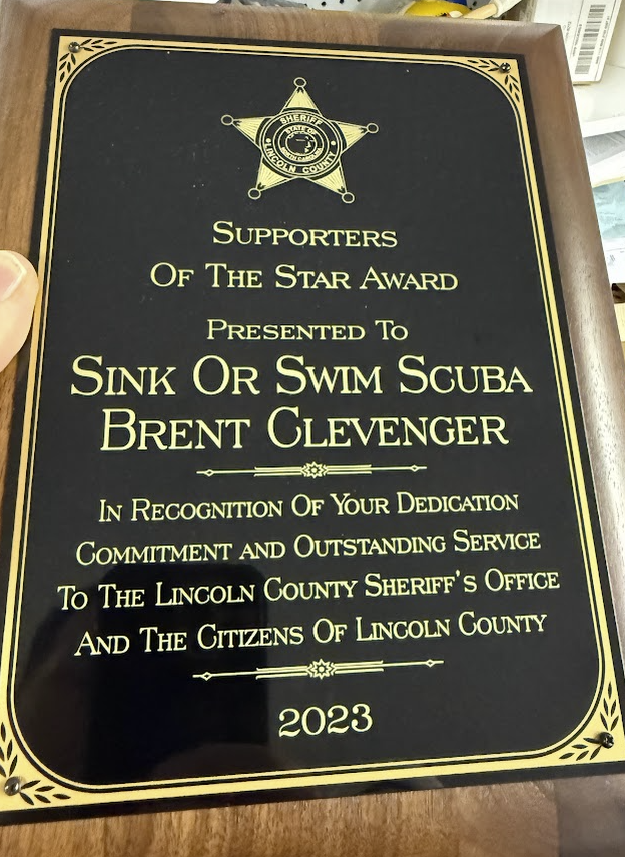
Recognized as a Supporter of the Star by the Lincoln County Sheriff’s Office for dedication and service.
Get in Touch
To speak with a public safety diving specialist, request a public safety dive team training or equipment consultation, or learn how Sink or Swim Scuba supports public safety dive teams nationwide, visit our Public Safety Diving page or contact us directly. Our mission is to help public safety divers train with purpose, operate with confidence, and return home safely.
Sink or Swim Scuba
4310K Wilkinson Blvd
Gastonia, NC 28056
704-823-0501
Dive@SinkorSwimScuba.com
Check out our YouTube Channel for public safety diving training and equipment videos.
Sink or Swim Scuba was named Best Dive Shop in the Charlotte Area for 2025 by the Elevate Lifestyle Best of the City Awards.
